Understanding the Antique Market
The world of antiques is a fascinating landscape filled with history, craftsmanship, and unique artistry. Collectors and enthusiasts alike are drawn to the stories behind each piece, making the pursuit of these treasures a rewarding journey. As we evolve into 2026, it's crucial to understand the dynamics of the antique market and how to navigate it effectively. This guide aims to provide valuable insights that will enhance your antique hunting experience, helping you browse around this site for informative resources and collections.
What Does "Browse Around This Site" Mean in the Context of Antiques?
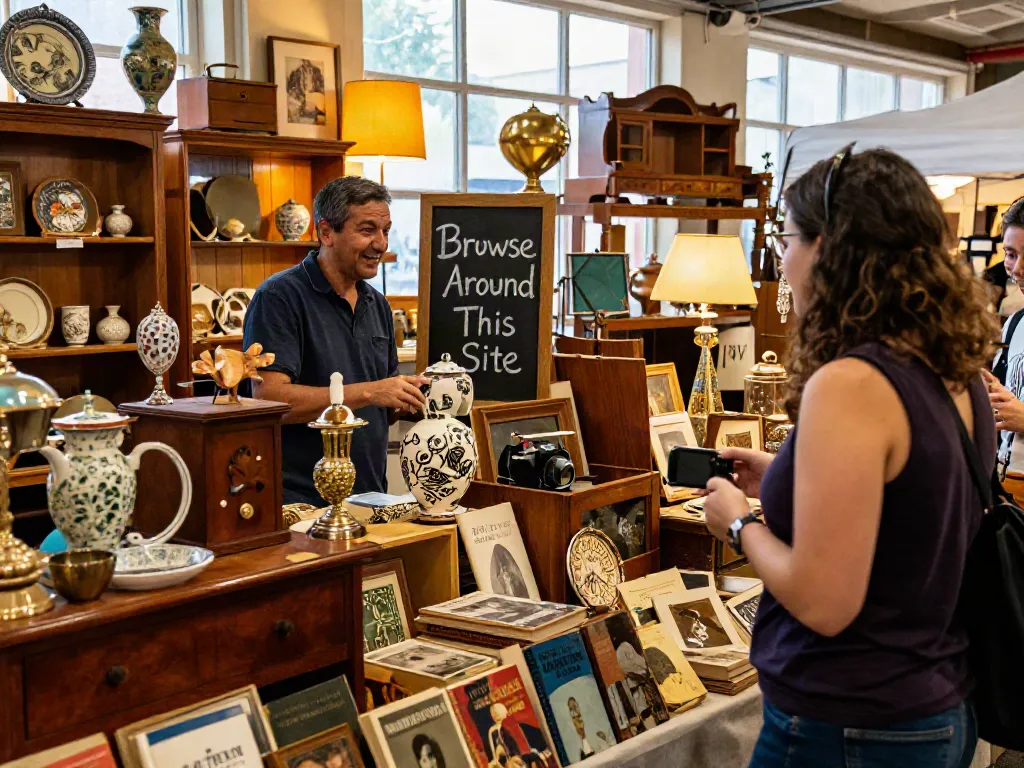
When discussing antiques, the phrase "browse around this site" encapsulates the act of exploring various platforms and venues to discover unique vintage items. This could refer to physical shops, online marketplaces, auctions, or antique fairs. Each setting offers its own distinct treasures, making it essential for collectors to diversify their search approaches.
The Evolution of Antique Shopping in 2026
Antique shopping has undergone significant transformations, especially with the digital age's influence. In 2026, consumers are not only browsing local shops but are also taking advantage of global online marketplaces that showcase thousands of items from various eras. This evolution has changed the way collectors assess value, quality, and authenticity. With the rise of augmented reality (AR) and virtual reality (VR), the shopping experience has become more interactive, allowing consumers to visualize how a piece would fit into their own space before making a purchase.
Key Components of a Successful Antique Search
- Research: Understanding the history and styles of antiques is crucial. Familiarizing yourself with different periods, makers, and materials can help you identify valuable pieces.
- Networking: Engaging with other collectors and antique enthusiasts can provide insights into where to find high-quality pieces and upcoming sales.
- Patience: Great finds often require time and effort. A successful antique search involves frequent visits to shops, online browsing, and attending events.
Identifying Valuable Antiques
How to Assess the Worth of Vintage Items
Determining the value of antiques involves several factors, including rarity, demand, condition, and provenance. Understanding these elements can significantly impact your purchasing decisions. Experts often recommend consulting appraisal guides or seeking professional appraisals for high-value items. Additionally, online platforms are available where you can compare similar pieces to gauge market trends.
Common Misconceptions about Antique Value
Many collectors fall into the trap of assuming that age alone determines value. While age is a factor, rarity and desirability weigh heavily on worth as well. For instance, certain pieces may be old but not rare, which affects their marketability. Moreover, the condition of the item plays a critical role. Restored items may fetch lower prices than those in their original state, depending on the quality of restoration.
Expert Tips for Recognizing Quality Antiques
- Look for Craftsmanship: Skilled artisans often left subtle marks that can help identify quality pieces. Detailed carvings, hand-forged elements, and high-quality materials often indicate greater value.
- Check for Signatures: Many valuable antiques bear the signature of their maker. Familiarizing yourself with these can help you discern authentic pieces from reproductions.
- Understand Styles and Periods: Different styles have fluctuations in popularity. Recognizing which periods are currently in demand can guide your purchases.
Where to Browse Around for Antiques
Top Online Resources for Antique Shopping
The internet has opened up a wealth of opportunities for antique collectors. Websites like eBay, Etsy, and various specialized antique forums allow enthusiasts to find items not available locally. Additionally, online auctions can provide access to rare pieces from around the world. Social media platforms also host groups dedicated to antique hunting, where collectors share tips and listings.
Local Antique Shops: Pros and Cons
Shopping locally has its advantages, such as inspecting the items firsthand and building relationships with shop owners who may provide insights and alerts about new arrivals. However, the downside can be limited selections compared to online marketplaces. It's advisable to strike a balance between local visits and online searching.
Trade Shows and Auctions: Finding Hidden Gems
Attending trade shows and auctions can be an exhilarating way to uncover unique finds. Auctions, in particular, may offer items at competitive prices, but they also require a keen sense of value and strategy. Trade shows often feature a variety of dealers, providing a prime opportunity to explore and network with other collectors.
Best Practices for Antique Collecting
Creating a Collection Strategy: What to Consider
Before diving into antique collecting, it's essential to strategize. Consider what types of items resonate with you—are you drawn to furniture, jewelry, or art? Narrowing your focus can help streamline your search and make it more rewarding. Documenting your collection can also aid in understanding its value and significance over time.
How to Care for Your Antique Purchases
Proper care is crucial for preserving the integrity of your antiques. Cleaning methods should be appropriate for the material; for example, wood items may require special oils, while metal antiques often need a gentle touch to avoid damage. It's also advisable to keep items away from direct sunlight to prevent fading and deterioration.
Understanding Antique Restoration: When and How to Do It
Restoration can enhance the appeal and value of an antique, but it should be approached cautiously. Not all pieces require restoration, and sometimes it can reduce value if not executed correctly. If restoration is needed, seek professional services with experience in antiques to ensure that the work maintains the piece's historical significance.
Future Trends in the Antique Market
The Impact of Technology on Antique Shopping
As technology advances, so does the antique market. In 2026, we expect to see increased utilization of AI in inventory management, helping dealers better understand consumer preferences. Furthermore, virtual shopping experiences will continue to improve, allowing buyers to examine items in a virtual setting before purchasing.
Emerging Trends for Collectors in 2026
Collectors are beginning to focus on sustainable antiques—items that have history and are part of a larger story regarding environmental impact. Expect to see a rise in demand for pieces that reflect this ethos, along with increasing interest in culturally significant items that honor diverse histories.
How to Adapt Your Collection Strategies for the Future
To stay ahead in the ever-evolving antique market, continuously educate yourself on new trends, and be open to emerging markets. Networking with younger collectors can offer fresh perspectives and insights into what may become desirable in the future.
What is the best way to start antique hunting?
Begin by setting clear goals for your collection and researching what interests you the most. Attend local antique fairs and join online communities to learn more about the field and connect with others.
Where can I find rare antiques online?
Numerous websites cater to collectors looking for rare antiques, including specialized auction sites and dedicated vintage platforms. Social media has also become a valuable tool for finding unique items.
What should I look for when buying antiques?
Key factors include assessing quality, authenticity, and condition. It's also wise to research market values to ensure you’re making a sound investment.
Are there particular styles that are more valuable?
Some styles, such as Art Deco or Mid-Century Modern, tend to have higher demand and value. Researching current trends can help identify which styles may appreciate in value.
How can I network with other antique collectors?
Consider joining local clubs, attending trade shows, or actively participating in online forums dedicated to antiques. Networking opens up valuable opportunities for learning and finding hidden treasures.