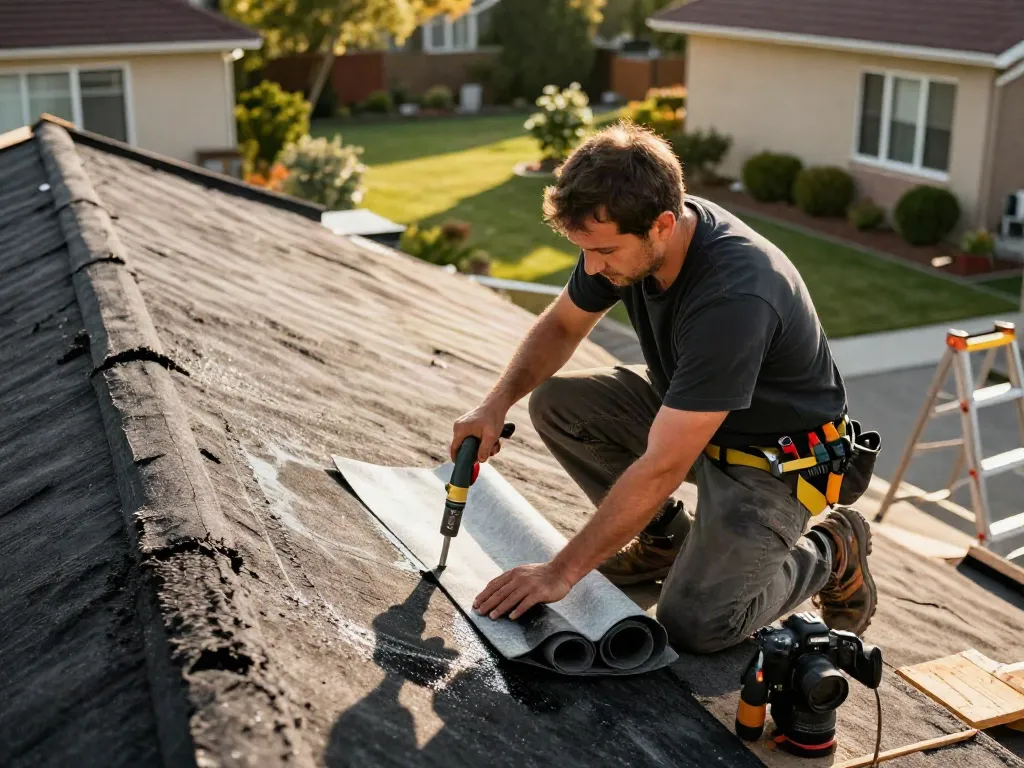
Understanding Felt Roofing: Basics and Benefits
Felt roofing is a popular choice for many homeowners due to its affordability, versatility, and effectiveness. As traditional materials evolve, felt roofing systems have become a prominent solution for flat and low-slope roofs. Understanding the fundamental aspects of felt roofs, including their benefits and suitable applications, can help homeowners make informed decisions regarding their roofing needs. When exploring options, felt roof systems provide comprehensive insights into both installation and maintenance.
What is a felt roof?
A felt roof is a type of roofing that uses felt sheets, typically made of bitumen, to create a waterproof barrier. This material is laid in overlapping layers to form a seamless surface that prevents water ingress. Felt roofing is often seen in applications like garages, extensions, and garden sheds, where pitched roofs are impractical. Its adaptability to various architectural styles and structures makes it a go-to choice for flat-roofed buildings.
Benefits of using felt roofing systems
Felt roofing systems boast numerous advantages:
- Cost-effective: Easily one of the most economical roofing options, felt roofing materials are less expensive than other alternatives like tiles or metal.
- Easy installation: The installation process for felt roofing is straightforward and can be completed quickly, minimizing labor costs.
- Durability: Modern felt roofing materials are designed to withstand harsh weather conditions, including heavy rain and UV exposure, providing longevity.
- Low maintenance: Once installed, felt roofs require minimal upkeep compared to other roofing systems, making them ideal for busy homeowners.
- Energy efficiency: When insulated correctly, felt roofs can contribute to lower energy bills by reducing heat loss.
Common applications for felt roofs
Felt roofing systems are widely used in various applications:
- Garages: Their robust nature makes them suitable for protecting vehicles from the elements.
- Extensions: Many homeowners opt for felt roofs on home extensions due to their compatibility with existing structures.
- Garden sheds: They provide reliable protection against leaks and moisture, extending the life of garden buildings.
- Commercial properties: Felt roofs are commonly used in commercial buildings, particularly with flat roofing requirements.
Choosing the Right Felt Roofing Materials
Understanding the available materials and their properties is essential when selecting a felt roofing solution.
Types of felt roofing materials available
Felt roofing materials are generally categorized into two main types:
- Traditional bitumen felt: This includes roofing felt made from organic materials with asphalt coating, providing flexibility and durability.
- Reinforced felt: This modern alternative includes multiple layers of synthetic materials, enhancing strength and weather resistance.
Factors to consider in material selection
When choosing felt roofing materials, consider the following:
- Climate: The local weather conditions will influence the type of felt roofing suitable for your property.
- Building structure: The weight that the structure can handle will determine the choice of materials.
- Budget: Assess your financial constraints as materials may vary significantly in price.
Comparing traditional vs. modern felt roofing
While traditional bitumen felt roofing has been a staple for decades, modern alternatives offer enhanced properties. Reinforced felt systems are typically lighter, more durable, and longer-lasting compared to older materials. Furthermore, they often feature a mineral surface that protects against UV rays and weathering, ensuring a longer lifespan.
Hiring Trusted Felt Roofing Specialists
To ensure the successful installation and maintenance of your felt roof, hiring experienced professionals is critical.
Finding experienced professionals in your area
When seeking a roofing contractor, consider their experience with felt roofing systems specifically. Look for reviews and testimonials from previous clients to gauge their reliability and expertise.
Checking insurance and references
Before hiring any contractor, verify that they have appropriate insurance coverage. This protects you from potential liabilities during the roofing project. Additionally, request references to confirm their previous work and customer satisfaction.
Questions to ask potential roofing contractors
It's essential to ask your prospective contractors the following questions:
- What is your experience with felt roofing materials?
- Can you provide proof of insurance?
- What is included in the quotation?
- What is the expected timeframe for completion?
Understanding the Installation Process
The installation process for felt roofing involves several key steps that ensure a durable and effective roofing solution.
Step-by-step installation overview
- Preparation: Ensure the roofing deck is clean and dry before beginning.
- Underlay application: A base layer of felt is laid down, ensuring proper overlap at seams.
- Top layer application: The final layer is applied, usually using heated methods to bond the felt securely.
- Sealing edges: All edges and seams are sealed to prevent water ingress.
Common challenges during installation
Installers often face challenges such as:
- Unfavorable weather conditions that can hinder the installation process.
- Inadequate preparation of the roof deck, leading to potential leaks.
- Improper sealing of seams, which can compromise the roofing system's integrity.
Maintenance tips for long-lasting results
To prolong the life of your felt roof:
- Conduct regular inspections for any signs of wear or damage.
- Keep the roof surface clean from debris that can trap moisture.
- Address any leaks or damage promptly to avoid costly repairs.
Future Trends in Felt Roofing for 2026
The roofing industry is constantly evolving, and felt roofing is no exception. Here are some emerging trends to watch in the coming years.
Innovations in felt roofing technology
Technological advancements are leading to improved materials that offer greater durability and energy efficiency. Innovations such as self-healing felt and integrated solar technology are becoming more prevalent, providing homeowners with enhanced options.
Sustainability considerations in roofing
As sustainability becomes a focal point in construction, felt roofing manufacturers are increasingly using recycled materials and environmentally friendly production methods. This shift aligns with broader trends that prioritize eco-conscious building practices.
Predictions for the felt roofing market
As the market for sustainable and innovative building materials grows, felt roofing is likely to see increased adoption. More homeowners are recognizing the benefits of modern felt systems, including energy efficiency and cost-effectiveness, paving the way for future developments in roofing solutions.
What are the disadvantages of felt roofing?
While felt roofing systems are beneficial, they are not without their drawbacks. The most significant concerns include susceptibility to punctures, the potential for UV degradation without protective coatings, and limited lifespan compared to other roofing materials such as metal or tile.
Is roofing felt 100% waterproof?
Roofing felt is water-resistant but not entirely waterproof. Proper installation and maintenance are crucial to ensuring that felt roofs offer optimal protection against water ingress.
How to maintain a felt roof?
Regular maintenance of a felt roof involves periodic inspections, cleaning debris off the surface, and addressing any signs of damage or wear. Proper maintenance can significantly extend the lifespan of a felt roof.
How long does a felt roof last?
The lifespan of a felt roof can vary widely based on factors like installation quality, material type, and maintenance. On average, you can expect a well-installed felt roof to last between 10 to 20 years.
What should I consider before replacing my felt roof?
Before opting for a replacement, consider factors such as the existing roof's condition, the potential for repairs, and the cost of replacement versus maintenance. Consulting with a professional can provide valuable insights into the best course of action.