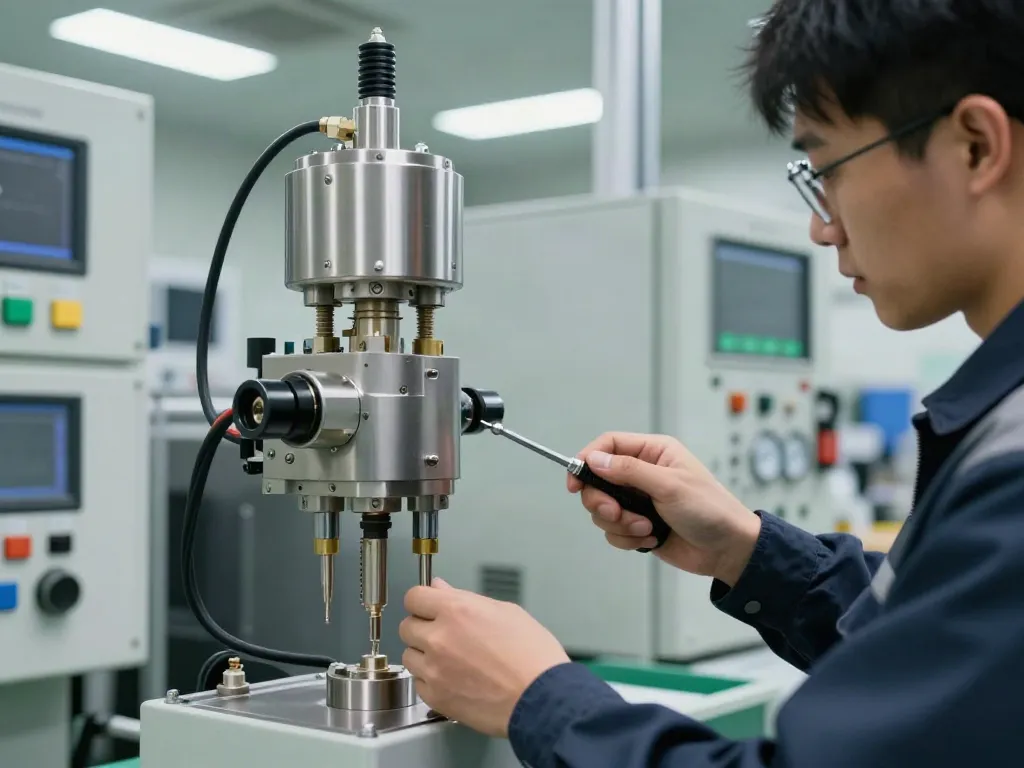
Understanding Mechanical Pressure Switches
Mechanical pressure switches are essential components in various industrial applications, providing critical control and monitoring of pressure levels in systems ranging from HVAC to hydraulic machinery. These devices are designed to operate based on mechanical action triggered by pressure changes, making them reliable and effective in demanding environments. When exploring options, pressure switch manufacturer offerings can provide comprehensive insights into the best models for your needs, ensuring accuracy and durability.
What is a Mechanical Pressure Switch?
A mechanical pressure switch is an electromechanical device that operates by opening or closing an electrical contact in response to changes in pressure. These switches convert mechanical pressure exerted by fluids or gases into an electrical signal, which can then be used to control various systems. Commonly used in automation and control systems, mechanical pressure switches are robust and designed to handle high cycles of operation.
Key Components and Functionality
Understanding the key components of a mechanical pressure switch is vital for users. The primary elements include:
- Diaphragm: This flexible membrane responds to pressure changes, activating the switch mechanism.
- Electrical Contacts: These provide the necessary connection to the system, enabling the switch to either make or break a circuit based on pressure.
- Adjustable Setting Mechanism: Most switches allow users to set the desired activation and deactivation pressure points easily.
- Housing: Typically made from durable materials like stainless steel, the housing protects internal components from environmental factors.
Common Applications in Industrial Automation
Mechanical pressure switches are employed in various industrial sectors. Common applications include:
- HVAC Systems: They ensure controlled operation by monitoring pressure levels in heating and cooling systems.
- Hydraulic Systems: These switches help maintain safe operating pressures in hydraulic machinery, preventing failures.
- Compressors: Mechanical pressure switches are critical for safeguarding compressor systems from overpressure conditions.
- Process Control: In manufacturing, they are used for monitoring and controlling pressure in processes involving liquids and gases.
Choosing the Right Pressure Switch Manufacturer
Selecting the right manufacturer for mechanical pressure switches is crucial to ensure quality and reliability in operation. Here are some factors to consider when making your choice:
Factors to Consider When Selecting a Manufacturer
When evaluating potential pressure switch manufacturers, consider the following:
- Reputation: Look for manufacturers with a proven track record and positive customer feedback.
- Product Range: A diverse selection of switches can cater to different industrial needs and applications.
- Support Services: Evaluate the level of technical support and customer service provided post-purchase.
- Warranty and After-Sales Services: A robust warranty and responsive after-sales service can protect your investment.
Evaluating Quality Standards and Certifications
Quality standards play a significant role in the performance of mechanical pressure switches. Manufacturers should comply with recognized standards such as ISO 9001 and have certifications specific to their products, ensuring safety and reliability in operation. Additionally, ask about testing procedures that the manufacturer employs to maintain quality assurance throughout their production process.
Comparing Pricing and Total Cost of Ownership
While price is often a deciding factor, it’s essential to assess the total cost of ownership, which includes installation, maintenance, and operational efficiency. Cheaper models may lead to higher long-term costs due to frequent repairs or replacements. A well-built switch might cost more initially but could save money through lower maintenance needs and longer service life.
Installation and Calibration Best Practices
Proper installation and calibration of mechanical pressure switches are vital for optimal functioning and longevity. Here’s how to ensure effective installation:
Step-by-Step Installation Guide
- Select Installation Location: Choose a clean, stable environment away from vibrations and extreme temperatures.
- Connect the Wiring: Ensure that connections are secure and appropriately insulated to prevent shorts.
- Mounting: Use the correct mounting bracket and ensure the switch is aligned properly for accurate readings.
- Adjust Pressure Settings: Set the desired activation points per the application specifications.
Calibration Techniques for Accurate Measurements
Calibration is essential for ensuring that the pressure switch operates correctly. Follow these techniques for calibration:
- Use a Calibration Tool: A pressure gauge can help set the switch to accurate pressure levels.
- Adjust Settings: Most switches have external adjustment screws for easy calibration without special tools.
- Document Calibration: Keep records of calibration settings for future reference and compliance.
Common Installation Mistakes to Avoid
To maximize the effectiveness of your pressure switch, avoid these common mistakes:
- Incorrect Wiring: Double-check connections to ensure they are secure and follow electrical standards.
- Neglecting Manufacturer Guidelines: Always refer to the manufacturer’s installation instructions for best practices.
- Failure to Test: After installation, test the switch in the intended environment to verify its performance.
Maintaining Mechanical Pressure Switches
Regular maintenance of mechanical pressure switches is crucial for their longevity and performance. Here are some effective maintenance practices:
Regular Maintenance Tips for Longevity
- Routine Inspections: Schedule regular checks on the switch to observe any signs of wear or malfunction.
- Cleaning: Maintain a clean environment around the switch to prevent the buildup of dirt and debris that could affect performance.
- Lubrication: If applicable, ensure that moving parts are adequately lubricated according to the manufacturer’s specifications.
Identifying and Troubleshooting Common Issues
Some common issues with mechanical pressure switches include:
- False Readings: This can result from mechanical wear or debris. Check for blockages or physical damage.
- Failure to Activate: Ensure the pressure levels are sufficient and verify electrical connections.
- Corrosion: Inspect for signs of rust or degradation, especially in harsh environments.
Understanding the Impact of Environmental Factors
The environment in which a mechanical pressure switch operates can significantly impact its performance. Factors such as extreme temperatures, humidity, and exposure to chemicals can lead to premature failure. Therefore, selecting a switch rated for the specific environmental conditions is crucial.
Future Trends in Pressure Switch Technology
As we move towards 2026 and beyond, several trends are emerging in the field of pressure switch technology:
Emerging Innovations in Pressure Sensing
Advancements in material science and technology are paving the way for more sensitive and durable pressure switches. Innovations such as digital signal processing are helping to improve accuracy and response times, while new materials are extending the lifespan of these devices in harsh environments.
Impact of Industry 4.0 on Pressure Switches
Industry 4.0 is driving the integration of smart sensors, including pressure switches, into the Internet of Things (IoT). This connectivity allows for real-time monitoring and predictive maintenance, vastly improving operational efficiency and reducing downtime.
Predictions for 2026 and Beyond
By 2026, we expect to see a greater emphasis on automation and data analytics in pressure switch applications. The shift towards more interconnected systems will demand pressure switches that not only perform well mechanically but also integrate seamlessly with digital systems for enhanced control and monitoring.
Frequently Asked Questions
What are the different types of pressure switches?
There are various types of pressure switches, including mechanical, electronic, and differential pressure switches, each designed for specific applications and operating principles.
How do I know if my pressure switch is working correctly?
Testing the switch with a standard pressure gauge, checking for proper activation at set points, and ensuring no leaks or electrical issues will help determine functionality.
Can mechanical pressure switches be used in hazardous areas?
Yes, certain models are designed to operate safely in hazardous areas. It’s crucial to select switches that comply with the relevant safety standards for your application.
What is the lifespan of a mechanical pressure switch?
The lifespan can vary based on usage, but high-quality mechanical pressure switches are often rated for millions of cycles under normal operating conditions.
How do I choose the right pressure settings for my application?
Choose pressure settings based on the specific requirements of your system, considering factors such as maximum operating pressure and safety margins.